
Out of the Dark

This series highlights the powerful personal stories of athletes who navigate mental health challenges amid the intense pressures of competition. Each episode delves deeply into the obstacles they've overcome, the profound impact of their work, and the ongoing journey toward mental well-being.

Role: Director/Producer

Distributor: PBS

Film Festival: Tribeca Premiere

Delivered: 5 part Series

The Sound of Gravity

MIT came to us looking for a series of pieces that would showcase some of the university’s most incredible stories of scientific discovery. These films pay tribute to the human spirit, none more resoundingly than The Sound of Gravity, featured in The New York Times.

Role: Director/Producer

Distributor: The New York TImes

Delivered: 3 part series

A leading political strategist explains how candidates use the art of storytelling to help swing elections. Produced by: SARAH KLEIN and TOM MASON Read the column: http://nyti.ms/1TsIuBG

How To Win An Election

In this New York Times OpDocs, Mark McKinnon, chief media strategist for George W. Bush, opens up his playbook and reveals the storytelling strategies used to run successful campaigns. 2017 Webby Honoree.

Role: Director/Producer

Distributor: The New York TImes

Awards: Webby Honoree
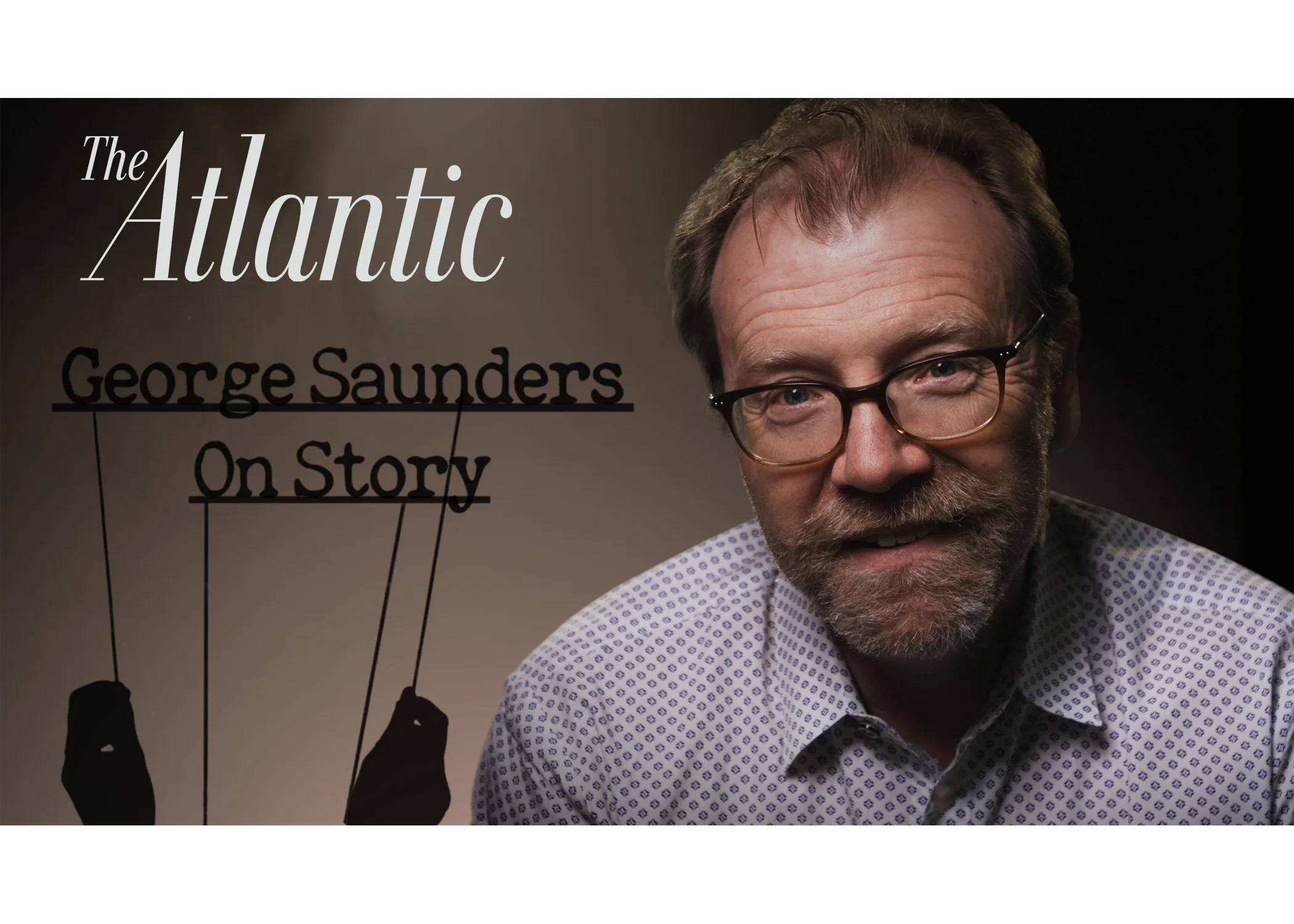
A Film by Tom Mason and Sarah Klein Executive Produced by Ken Burns In this rare appearance as a documentary subject, George Saunders reveals the pitfalls of bad storytelling and explains the openness and generosity required to breath life into great characters. The film offers a direct look at the process by which he is able to take a single mundane sentence and infuse it with the distinct blend of depth, compassion, and outright magic that are the trademarks of his most powerful work. Situated in an innovative and dreamlike visual world set to a lush original soundtrack by Antfood music, the seven minute film distills the magical essence of one of our most beloved writers into a work that will inspire old fans and Saunders newbies alike.

George Saunders: On Story

Released by the Atlantic in 2016, this short film bring to life the words of wisdom of one of America’s greatest storytellers.  

Role: Director/Producer

Distributor: The Atlantic

Awards: Webby Honoree

In what he calls "maybe the most important words I have ever spoken," acclaimed science educator Neil deGrasse Tyson makes the case that the recent rise of science denial in The United States represents an unprecedented threat to the foundation of our democracy. When his impassioned plea was released in April 2017 as the short film "Science In America" by Redglass Pictures, Tyson struck a nerve worldwide. The video has accumulated over 45 million views and 1 million shares on Facebook, was used to open the 2017 March For Science on the mall in Washington, DC, and became a rallying cry for a movement to bringing science back to center of American public policy. Original music by Ryan Whittier

Neil deGrasse Tyson: Science in American

When his impassioned plea was released in April 2017 as the short film "Science In America" by Redglass Pictures, Tyson struck a nerve worldwide. The video has accumulated over 65 million views on Facebook.

Role: Director/Producer

Distributor: Neil deGrasse Tyson Facebook and Youtube

What makes a great story? For legendary filmmaker Ken Burns, the answer is both complicated and personal. In this short documentary about the craft of storytelling, he explains his lifelong mission to wake the dead. Recently featured on The Atlantic. (http://www.theatlantic.com/video/archive/2012/05/ken-burns-on-story/257165/) Directed by Tom Mason and Sarah Klein Music by Ryan Sayward Whittier Animation by Elliot Cowan Check out the sequel to this piece, George Saunders: On Story: https://vimeo.com/143732791 Transcript for Closed Captioning Ken Burns On Story Transcription You know the common story is one plus one equals two, we get it. But all stories are really, the real genuine stories, are about one and one equaling three. That’s what I’m interested in. We live in a rational world where absolutely we’re certain that one and one equals two, and it does. But the things that matter most to us, some people call it love, some people call it God, some people call it reason, is that other thing where the whole is greater than the some of its parts, and that’s the three. Oh great story, they are everywhere. There are millions of them! Abraham Lincoln wins the Civil War and then he decides he’s got enough time to go to the theater. That’s a good story. When Thomas Jefferson said we hold these truths to be self-evident, that all men are created equal, he owned a hundred human beings and never saw the hypocrisy, never saw the contradiction, and more important, never saw fit in his lifetime to free any one of them. That’s a good story. You know the stories that I like to tell are always interesting because the good guys have really serious flaws and the villains are very compelling. My interest is always in complicating things. Jean Luc Goddard said cinema is truth 24 times a second. Maybe. It’s lying 24 times a second too, all the time, all story is manipulation. Is there acceptable manipulation? You bet. People say oh boy, I was so moved to tears in your film. That’s a good thing? That was, I manipulated that. That’s part of storytelling. I didn’t do it dis-genuinely, I did it sincerely, I am moved by that too, that’s manipulation. Truth is we hope a byproduct of the best of our stories and yet there are many, many different kinds of truths and an emotional truth is something that you have to build. I made a film on baseball once and it seemed to me that there was a dilemma for the racist of what to do about Jackie Robinson. If you were a Brooklyn Dodger fan and you were a racist, what do you do when he arrives? You can quit baseball all together, you can change teams, or you can change. And I think that the kind of narrative that I subscribe trusts in the possibility that people could change. I hope it’s a positive version of manipulation, but I do think that we do coalesce around stories that seem transcendent. I don’t know why I tell stories about history I mean there’s kind of classic dime-store Ken Burns wolf-at-the door things, my mother had cancer all of my life, she died when I was 11, there wasn’t a moment from when I was aware, two-and-a-half, three, that there was something dreadfully wrong in my life. It might be that what I’m engaged in, in a historical pursuit is a thin layer perhaps thickly disguised waking of the dead, that I try to make Abraham Lincoln and Jackie Robinson and Louis Armstrong come alive and it maybe very obvious and very close to home who I’m actually trying to wake up. We have to keep the wolf from the door, you know, we tell stories to continue ourselves. We all think an exception is going to be made in our case and we’re going to live forever, and being a human is actually arriving at the understanding that that’s not going to be, story is there to just remind us that it’s just okay.

Ken Burns: On Story

What makes a great story? For legendary filmmaker Ken Burns, the answer is both complicated and personal. In this short documentary about the craft of storytelling, he explains his lifelong mission to wake the dead. Launched on The Atlantic.

Role: Director/Producer

Distributor: The Atlantic

Two New York City men feel a tremendous responsibility to respond properly when they mysteriously receive hundreds of letters addressed to Santa Claus at their Chelsea apartment. A film by Sarah Klein and Tom Mason shown on The New York Times http://cityroom.blogs.nytimes.com/2010/12/24/did-he-leave-a-forwarding-address-yes-the-north-pole/ © Redglass Pictures 2010, www.redglasspictures.com Original music by Ryan Sayward Whittier www.ryansayward.com

Miracle on 22nd Street

Originally published by The New York Times on Christmas eve, this short ‘Gay Christmas Mystery’ went viral and was optioned by Tina Fey and Universal Studio for a feature film.

Role: Director/Producer

Distributor: The New York Times

Award: Webby

Licensed for a Major Motion Picture with Tina Fey and Universal Studios
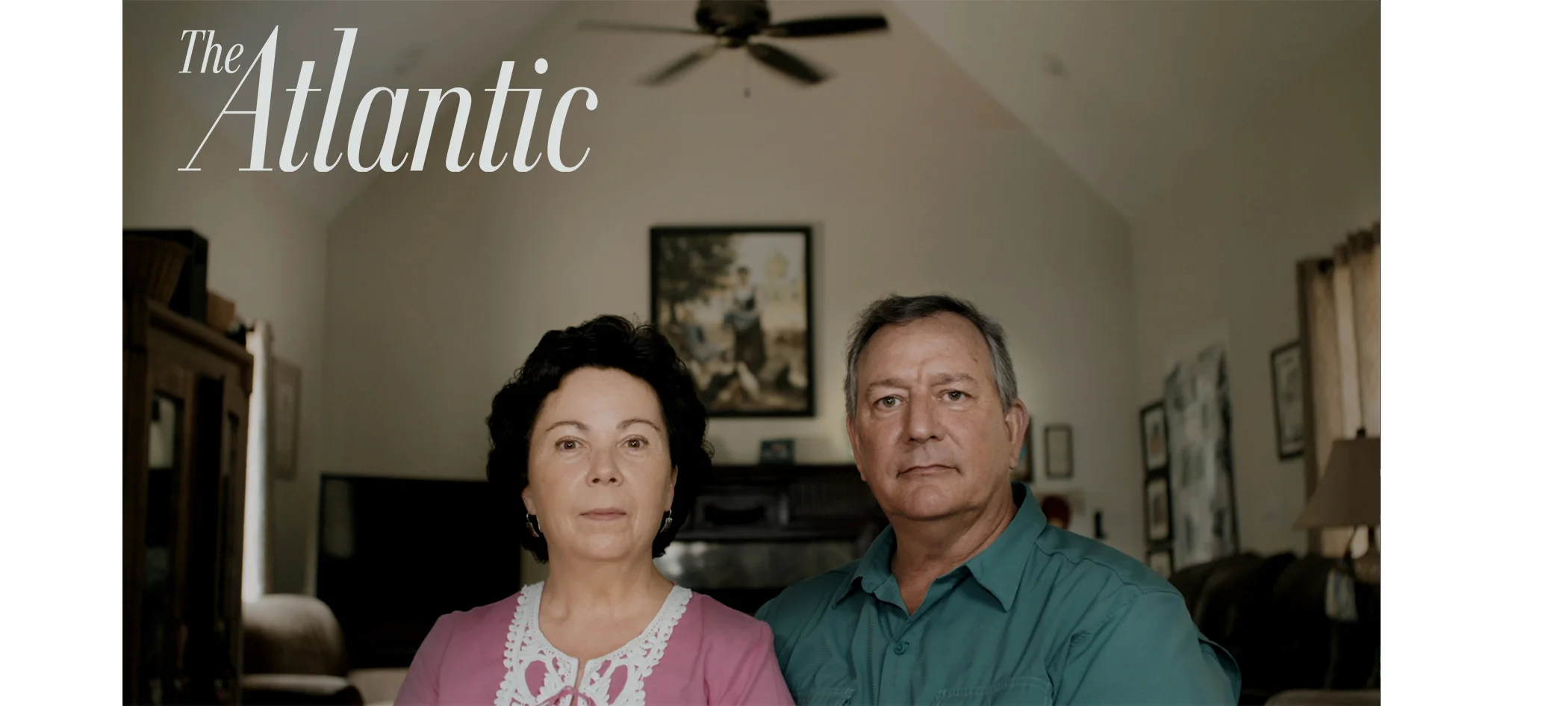
When Fielding Daniel and his wife Amy discovered that it would take five years for him to to be matched with a kidney donor, they were devastated. They launched a desperate search for a life-saving solution that led them to an unexpected savior - a market economist at Harvard University. This short film is the first in the series From Research To Reward which examines the impact of social science research on our lives. It was created by Redglass Pictures for The National Academies of Sciences. A film by Sarah Klein & Tom Mason Director of Photography Jon Kasbe Music by Ryan Sayward Whittier Motion Graphics by Kathleen Chee Special thanks to: Dr. Alvin Roth Amy & Fielding Daniel Nobel Media Dr. Michael Rees

From Research to Reward 

Scientific discovery and human progress go hand in hand. This four-part video series, From Research to Reward, demonstrates how important the social sciences are to the advancement of society.

Role: Director/Producer

Collaborator: National Academy of Sciences

Distributor: The Atlantic

Delivered: 4 part series

This is part of a series of films for the upcoming WETA and Ken Burns Cancer project. http://cancerfilms.org/story-wall/ Co-Created by Tom Mason and Sarah Klein Music by Ryan Whittier (saywardmusic.com/) Additional Editing and Graphics by Garrett Weinholtz Hangover Footage courtesy of Warner Bros. Entertainment Inc. Additional Footage courtesy of MTV

The Story of Cancer

We created 18 films in collaboration with Ken Burns and PBS to tell the personal stories of the impact of Cancer on people’s lives.

Role: Director/Producer

Distributor: PBS

Award: duPonte Award

Delivered: 18 part series
In The End

Thirty-year-old Christen faces a traumatic near death experience that forever changes the way she thinks about life.